
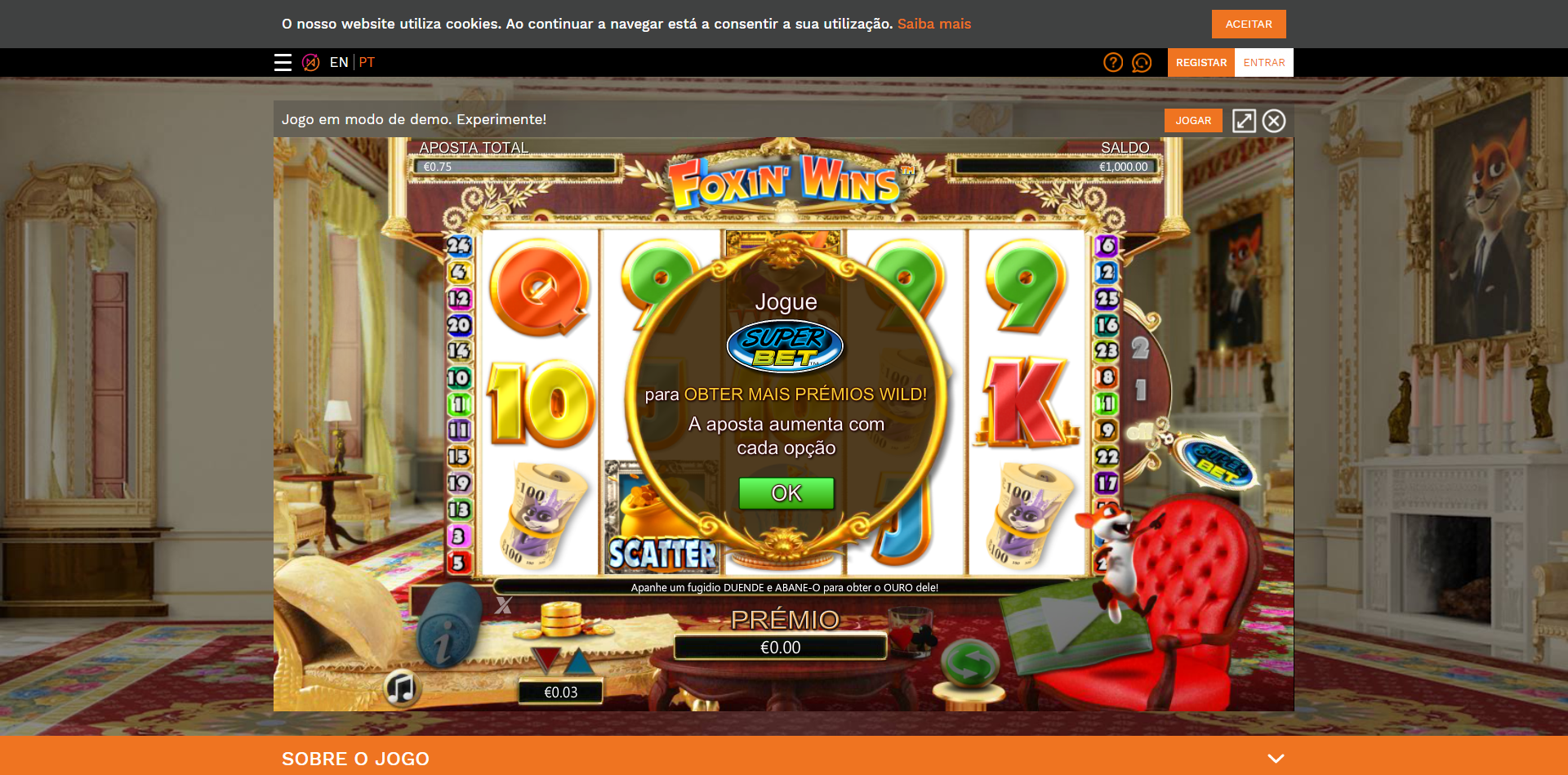
Being a player at online casinos here in New Zealand, I found out that small things like cookie settings make a big difference. I dedicated time getting to know how Spinfin Casino handles cookies, and I came away impressed by how easy to understand they make it. You have genuine control, which feels good from a privacy standpoint. I created this guide to walk you through what I found, so you can configure your own account for a better, more tailored gaming session.
Why Casino Cookie Management Is Important to Kiwi Players
For us gaming from New Zealand, controlling cookies isn’t just a regulatory box for the casino to tick. It’s about retaining control of your own time. Those little data files remember if you’re logged in, what games you enjoy, and which bonuses you might be eligible for. When they’re managed well, pages load faster, your game progress gets saved, and the promotions you see actually make sense. If you neglect them, you might end up logging in over and over or missing a good offer, which just gets in the way of your session.
There’s also the privacy angle. We’re all more mindful of our digital footprints now. Understanding exactly what a site like Spinfin is tracking helps you choose what you’re comfortable with. For me, taking a few minutes setting things up created a more secure feel. I could stop thinking about data and just play. There’s a local benefit too: many of us move between home broadband and mobile data. Efficient cookies can cut a bit off your data use on a metered connection, which is always welcome.
Regulations are important too. New Zealand has its Privacy Act, spinfin table games, but many overseas casinos also adhere to rules like GDPR, which are pretty strict. Spinfin’s clear cookie tools demonstrate they take these principles seriously. That gives me, as a Kiwi player, more certainty that my information is managed carefully, even on an offshore site. That trust is the cornerstone you need to actually unwind and savor your time.
First Impressions: Navigating Spinfin’s Cookie Controls
When I initially landed on Spinfin’s site, a neat cookie banner popped up at the lower part of the screen. It was a positive first sign—straightforward and not too aggressive. The banner provided me with the basic “Accept” or “Customise” options immediately and pointed to the full policy. I didn’t need to search through menus to find it, which was refreshing.
Tapping “Customise” (or finding the privacy link in the footer) displayed a control panel. It was comprehensive but not confusing. They’d organized the cookies into groups by what they do. Even lacking a tech background, I could comprehend each category’s purpose and flip them on or off. The toggles used clear colours so you could see your choices at a glance.
I checked this on both my computer and the Spinfin mobile app. On the app, the settings were in the account menu, laid out the same way. I appreciate that uniformity. The banner also stored my selection for a while. It didn’t annoy me every day, but it did reappear after a few weeks, which appears as a reasonable middle ground.
Understanding the Cookie Categories at Spinfin
Spinfin groups its cookies into a few main types. Knowing what each one does was the key to setting things up things my way. “Essential” cookies are the non-negotiables. They manage security, logins, and payments. You are unable to turn these off, and you wouldn’t want to—the site depends on them to work safely.
Then you have “Performance” and “Analytics” cookies. These compile anonymous info on how people use the site, which assists Spinfin optimize and address glitches. “Functional” cookies store your personal preferences, like your language or sound settings. The last group is “Advertising” or “Targeting” cookies. These follow what you do to deliver relevant bonus offers and game options. Each category came with a clear English description and a basic on/off switch.
Looking closer, I noticed that Performance cookies might measure page load times for users on specific NZ internet providers like Spark or Vodafone. That data helps refine content delivery. Functional cookies can store your last-played pokie or your go-to blackjack table limit. Advertising cookies often operate with outside networks, but Spinfin’s policy listed their main partners. I liked knowing where my data might go for marketing.
Our Step-by-Step Setup for Ideal Play
After testing things out, I found a step-by-step configuration that I believe is effective for many Kiwi players. I was after strong site performance and personal touches without handing over more data than required. Initially, I left “Essential” cookies on. You have no option here, and that’s fine.
For the other categories, I went with these calls. I considered different types of players, from the very private to those who want all the interaction.
- Performance & Analytics: I activated these. They assist Spinfin optimize for NZ connections, which means faster game loads and a more stable platform. This is a significant factor for live dealer games or slots. In real terms, it can mean less buffering during peak times in Auckland or Wellington.
- Functional Cookies: I absolutely enabled these. They store your preferences, so you’re not changing your sound, bet limits, or preferred game view every visit. It’s a genuine time-saver.
- Advertising Cookies: This one’s a personal choice. I enabled them to receive bonus offers and game recommendations that matched my play. If you’d rather not see targeted ads, you can disable this without a problem. You’ll always see promotions, they just won’t be personalised to you.
Once I stored my settings, the site reloaded to implement them. I should mention these preferences are saved in a cookie too. If you wipe your browser cache, you’ll forget them and have to do it all again next time. Following that, I jumped into a popular pokie and went back to the lobby just to confirm the settings applied across the whole site.
The influence on game play and bonuses in NZ
Setting my cookies up this way transformed my Spinfin experience for the best. With Performance cookies enabled, the site seemed more reactive. Going from the lobby to a game was speedier. Functional cookies meant my session settings persisted, so every login felt known—perfect for a fast game on a lunch break.
The biggest change was with bonuses. Allowing Advertising cookies indicated the promotions I saw really related to me. I obtained notifications for free spins on games I enjoyed and match bonuses that fit how I paid. It seemed relevant. Just keep in mind, turning these off won’t render you ineligible for bonuses. You merely might not see them promoted; you can at any time check the ‘Promotions’ tab on your own.
The performance improvement was most evident in complex games. Playing live dealer roulette from home, I’m confident turning on Performance cookies aided keep the video feed fluid with less lag. Functional cookies retained my ‘quick spin’ setting on certain slots, so I could commence playing right away. These minor efficiencies add up and make your time on the site more pleasurable.

Typical Questions and Troubleshooting We Experienced
Several questions emerged while I was testing, and I think other players will encounter them as well. What happens if you clear your browser cookies? You’ll be logged out of Spinfin and your cookie preferences will be wiped. You’ll need to set them up again next time. It’s easy, but simple to overlook if you clear your data often for privacy.
Additionally: cookie settings don’t sync across devices. The choices you make on your laptop in Auckland won’t carry over to your phone in Christchurch. You have to configure each device separately for a consistent experience. It’s also a good idea to glance at your settings after a major site update, as the cookie setup can sometimes change.
At one point, my saved progress in a tournament feature seemed to reset. This was likely because a specific game cookie got blocked or cleared. Re-enabling Functional and Performance cookies fixed it. Also, if you use browser extensions like ad-blockers or privacy tools, they can override your site-specific choices. If your settings don’t seem to stick or something acts strange, try whitelisting Spinfin in those extensions.
Preserving Your Confidentiality While Experiencing the Games
If privacy is your chief worry, Spinfin’s controls let you gamble on your own conditions. You can turn off everything except the Essential cookies and still access all the games and banking. The trade-off is a experience that might seem less personal and a bit more sluggish, since the site can’t use your data to optimise. I feel that’s a just and transparent arrangement.
It’s wise to check your cookie options now and then. Your comfort with data usage can shift. Spinfin keeps this easy with the link in the base. Match these in-site controls with good habits—strong passcodes, logging out on shared machines—and you’ve got a strong setup for private gaming here in New Zealand.
For an extra shield, you could employ your browser’s private or incognito mode for periods. Just know that this will prevent any long-term settings from being retained. In the final analysis, the authority is your own. Spinfin gives you the resources. By handling your cookies carefully, you can craft an online casino adventure that matches your own combination of comfort and confidentiality, so you can concentrate on the game.
